


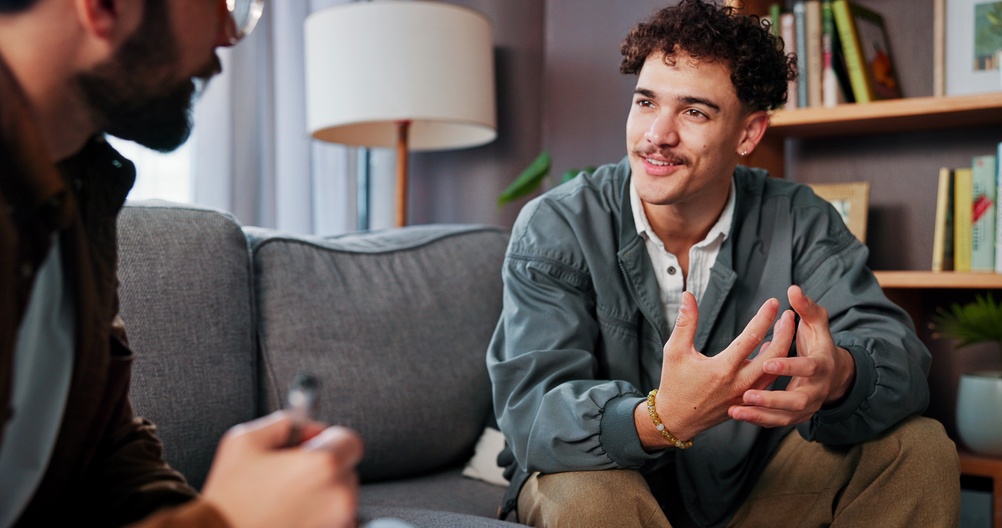
Exposure therapy is a form of cognitive behavioral therapy (CBT) that helps you face feared situations, memories, thoughts, or physical sensations in a gradual, controlled way. Instead of avoiding what triggers anxiety, you learn to approach it step by step until it loses its grip. Over time, your brain updates what it expects, and the fear response fades.
If you’re considering this approach for yourself or someone you love, here’s what steady progress often looks like:
- Facing a feared situation without leaving early or seeking reassurance
- Noticing that anxiety rises, peaks, and then falls on its own
- Needing less time to recover after a difficult moment
- Reducing avoidance behaviors and safety rituals
- Returning to activities, relationships, or routines you had been putting off
Progress is rarely a straight line, and that’s normal. Below, we break down how exposure therapy works and how to recognize that it’s doing its job.
What Is Exposure Therapy?
Exposure therapy is one of the most researched treatments in mental health. As a type of CBT therapy, it targets the avoidance patterns that keep fear alive. When we steer clear of something that scares us, we feel relief in the moment, but that relief teaches the brain that the threat was real. Exposure reverses that lesson.
A therapist guides you through the process using a “fear ladder,” a ranked list of triggers from mildly uncomfortable to highly distressing. You start low, build confidence, and work your way up at a pace you can handle. You’re never forced to face your biggest fear on day one.
Common Types of Exposure
Exposure can take several forms depending on what you’re working through:
- In vivo exposure: facing a real situation, such as driving or attending a social event
- Imaginal exposure: vividly recalling a memory or scenario in a safe setting
- Interoceptive exposure: bringing on physical sensations like a racing heart to reduce the fear of the sensations themselves
- Virtual reality exposure: simulating environments that are hard to recreate in person
Conditions Exposure Therapy Can Treat
Exposure therapy is effective for a range of concerns, including specific phobias, panic disorder, social anxiety, and post-traumatic stress. It’s also central to OCD therapy, where a specialized version called Exposure and Response Prevention (ERP) helps people resist compulsions while facing intrusive thoughts. For many of these conditions, exposure-based CBT is considered a first-line treatment.
What Progress Looks Like Stage by Stage
Because recovery unfolds gradually, it helps to know the general path.
Early stage: You learn the model, build your fear ladder, and begin with lower-level exposures. Anxiety may still feel intense, but you start collecting evidence that you can tolerate it.
Middle stage: Exposures that once felt impossible become manageable. Your anxiety peaks lower and drops faster, and you start leaning on old coping crutches far less often.
Later stage: You take on harder items with more independence. Setbacks still happen, but you recover quickly and apply your skills on your own.
Maintenance: You keep practicing so your gains hold. The goal isn’t zero anxiety, but a life no longer organized around avoidance.
Exposure Therapy Through Telehealth
You don’t always need to be in an office to do this work. Telehealth therapy makes exposure accessible from home, which can be especially helpful for people whose fears involve leaving the house or who live far from a provider. Through secure online therapy sessions, a clinician can coach you in real time, assign exposures in your own environment, and adjust your plan between visits. For many clients, teletherapy mental health support fits more easily into daily life while delivering the same evidence-based care.
Guide to Wellness offers exposure therapy both in person and through telehealth across our locations in Pennsylvania, New Jersey, Delaware, and Colorado. You can learn more about our therapy services or explore our telehealth options to find the format that works best for you.
Frequently Asked Questions
Is Exposure Therapy Safe?
Yes. It’s a structured, evidence-based treatment delivered by trained clinicians. You move at your own pace and stay in control throughout.
Will Exposure Therapy Make My Anxiety Worse?
Anxiety may rise during sessions, which is expected. The goal is to show your brain that the feeling is survivable and temporary, and most people notice their overall anxiety decreasing over time.
How Long Does Exposure Therapy Take?
It varies by person and condition. Many people see meaningful change within a few months, though more complex concerns can take longer.
Can Exposure Therapy Be Done Online?
Yes. Many exposures translate well to telehealth, and some are even more effective when practiced in your own home environment.
How Do I Know It’s Working?
Watch for less avoidance, faster recovery after distress, and a growing sense that you can handle situations you once feared.
Taking the First Step
Facing fear on purpose can feel counterintuitive, but it’s one of the most powerful ways to reclaim your life from anxiety, OCD, and trauma. Progress may be gradual, and setbacks are part of the process rather than a sign of failure. With the right support, you can move from avoidance to confidence one step at a time. If you’re ready to begin, reach out to Guide to Wellness to connect with a therapist who can build a plan around your goals.